
How a Reformer Bed Helps With Rehabilitation
Reformer Bed Helps With Rehabilitation
Unlike high-intensity workouts that put a lot of stress on joints and ligaments, reformer Pilates exercises are low-impact. They also strengthen core muscles and promote balance, reducing the risk of injuries. As a result, the equipment is often used in physical therapy and rehabilitation settings. In addition, many people choose to practice reformer Pilates as a way to prevent and manage chronic pain and conditions.
A reformer is a rectangular frame that looks like a bed, typically made of wood or metal. On top of the frame is a padded carriage, which can be moved back and forth along the length of the frame. A series of springs attached to the frame create variable degrees of resistance as the carriage is pushed or pulled. A foot bar, which can be raised or lowered depending on the exercise, and long straps with loop handles are also attached to the reformer bed. The foot bar is moved by the feet or hands, and the straps are looped around the feet for certain exercises.
The movements performed on the reformer can be controlled and guided by a qualified instructor, which helps to reduce the risk of injury. In addition, the adjustable resistance of the springs allows instructors to customize exercises for various fitness levels and body sizes.
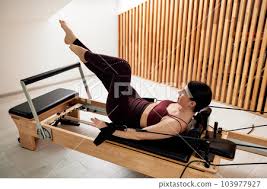
How a Reformer Bed Helps With Rehabilitation
Reformer Pilates is a great form of exercise for people with back problems and those looking to increase their flexibility and range of motion. It helps to improve posture and core strength, and it can even help with chronic back and neck pain. In addition, the fluid movements of reformer Pilates can help to strengthen the mind-body connection and reduce stress and tension.
One of the main benefits of reformer Pilates is that it is a very effective form of core training. It is designed to challenge the entire core, from the deep abdominal muscles to the obliques and transverse abdominus. Its full-range movement is beneficial for improving flexibility and preventing injury, and it can also help with chronic pain and mobility issues.
Practicing Pilates on a mat can be challenging for people with limited mobility or those recovering from injuries. However, the reformer can provide additional support and make it easier to complete the exercises without causing further damage. The reformer is also used to perform exercises that aren’t possible or safe on a mat, such as a lying leg circle. The legs are held in the reformer’s foot bar and straps, which makes it much more difficult to cheat or overstretch during the exercise, which can lead to further back injuries.
As a result, reformer Pilates can be an excellent option for individuals with back and neck pain as well as those suffering from hip and knee issues. In fact, it’s often recommended for those with chronic pain and joint problems by doctors and physical therapists. While it’s important to practice under the guidance of a trained professional, many people find that using the reformer at home helps to ease their pain and decrease their discomfort.



Leave a Comment