
Can health and wellness supplements lower cholesterol?
Health and wellness supplements lower cholesterol
Health and Wellness Supplements have gained significant attention for their potential role in managing cholesterol levels and supporting heart health. High cholesterol is a common health concern that increases the risk of cardiovascular diseases, including heart attacks and strokes. While a healthy diet and regular exercise remain the cornerstone of cholesterol management, many individuals turn to Health and Wellness Supplements as a complementary approach to help lower their cholesterol levels. Certain supplements have shown promising effects in reducing low-density lipoprotein (LDL) cholesterol, commonly known as “bad” cholesterol, while supporting overall cardiovascular well-being.
One of the most widely recognized Health and Wellness Supplements for lowering cholesterol is omega-3 fatty acids. Derived primarily from fish oil, omega-3 supplements are rich in eicosapentaenoic acid (EPA) and docosahexaenoic acid (DHA), which have been shown to reduce triglycerides and modestly lower LDL cholesterol. Omega-3s also help increase high-density lipoprotein (HDL) cholesterol, the “good” cholesterol, which plays a protective role in heart health. Additionally, plant-based omega-3 supplements sourced from algae offer a vegan-friendly alternative with similar cholesterol-lowering benefits.
Plant sterols and stanols are another group of Health and Wellness Supplements known for their cholesterol-lowering properties. These naturally occurring compounds, found in small amounts in fruits, vegetables, and nuts, help block the absorption of cholesterol in the intestines. When taken as supplements, plant sterols and stanols can effectively reduce LDL cholesterol levels by up to 10-15% when consumed as part of a heart-healthy diet. Due to their efficacy, they are often recommended for individuals with elevated cholesterol levels.
Fiber supplements, particularly those containing psyllium husk, are also effective in lowering cholesterol. Soluble fiber binds to cholesterol in the digestive system, preventing its absorption into the bloodstream. Regular intake of psyllium fiber supplements has been shown to reduce LDL cholesterol and improve overall lipid profiles. Fiber supplements also promote digestive health and help regulate blood sugar levels, making them beneficial for individuals with both high cholesterol and diabetes.
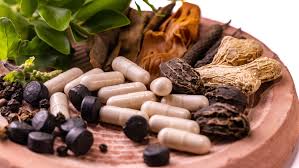
Can health and wellness supplements lower cholesterol?
Another popular Health and Wellness Supplement for cholesterol management is red yeast rice. This supplement contains monacolin K, a naturally occurring compound that is chemically identical to the active ingredient in some prescription statins. Red yeast rice has been shown to lower LDL cholesterol levels effectively. However, because it acts similarly to statins, individuals taking this supplement should consult with their healthcare provider to monitor for potential side effects, such as muscle pain or liver enzyme changes.
Garlic supplements are also commonly used for their heart health benefits. Studies have shown that garlic extract may modestly reduce total and LDL cholesterol levels. In addition to its cholesterol-lowering effects, garlic has anti-inflammatory and blood-thinning properties, which further support cardiovascular health. However, its effects may vary depending on the dosage and formulation.
Coenzyme Q10 (CoQ10) is another supplement that may benefit individuals managing cholesterol. Although CoQ10 does not directly lower cholesterol, it helps reduce the muscle pain and fatigue associated with statin medications, making it a valuable supplement for individuals on cholesterol-lowering drugs.
Incorporating Health and Wellness Supplements into a cholesterol management plan can be beneficial, but it is essential to use them alongside a healthy lifestyle. Individuals with high cholesterol should consult their healthcare provider before starting any new supplement regimen to ensure safety, proper dosing, and effectiveness. By combining targeted supplements with dietary changes, regular exercise, and medical guidance, individuals can take a proactive approach to managing their cholesterol levels and improving their overall heart health.


Leave a Comment