
Can flexible pcb board be folded? What is a flexible PCB board?
flexible pcb board be folded
A flexible PCB (Printed Circuit Board), often referred to as flex PCB, is a type of electronic circuit board designed to be flexible rather than rigid. These boards are constructed using flexible substrate materials, such as polyimide or polyester, which provide the necessary bendability and resilience. Unlike traditional rigid PCBs, flexible PCBs can be bent, twisted, and folded to fit into spaces where standard boards cannot, offering substantial advantages in terms of design freedom and miniaturization.
Flexible PCBs are composed of several layers, including a flexible dielectric substrate, conductive copper traces, and protective outer layers. These layers are laminated together using heat and pressure to create a durable and flexible circuit. The use of flexible materials allows the PCB to conform to different shapes and fit into compact and irregular spaces, making them ideal for applications in various industries such as consumer electronics, medical devices, automotive, and aerospace.
One of the defining features of flexible pcb board is their ability to be bent and folded. This capability is a major advantage in applications where space is limited, and traditional rigid PCBs would not be feasible. However, while flexible PCBs can indeed be folded, there are important considerations and limitations to keep in mind.
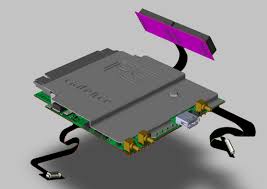
Can flexible pcb board be folded? What is a flexible PCB board?
The bending radius is a critical parameter when folding flexible PCBs. It refers to the minimum radius to which the board can be bent without causing damage to the conductive traces or the substrate. Exceeding this radius can lead to cracking or breaking of the copper traces, resulting in electrical failures. Manufacturers typically provide guidelines for the minimum bending radius based on the thickness and material of the PCB.
While flexible PCBs are designed to handle bending, repeated folding and unfolding can lead to fatigue over time. This repeated mechanical stress can degrade the conductive traces and the substrate, eventually leading to failure. For applications requiring frequent movement, materials with high fatigue resistance and robust design techniques are necessary to ensure longevity.
Sharp folds or bends can create stress points on the flexible PCB. To mitigate this, designers often use curved traces and staggered vias to distribute mechanical stress more evenly. Additionally, incorporating stiffeners in areas prone to stress can enhance the durability of the PCB. During assembly, care must be taken to avoid excessive bending and twisting, which can damage the flexible PCB. Specialized fixtures and tools are often used to handle and assemble flexible PCBs without causing harm.
The ability to fold flexible PCBs opens up numerous design possibilities. For instance, in consumer electronics like smartphones and wearables, flexible PCBs can be folded to fit into compact and irregularly shaped enclosures, optimizing space utilization. In medical devices, flexible PCBs can be bent to conform to the contours of the human body, enabling the development of more ergonomic and comfortable wearable devices. In the automotive industry, flexible PCBs can be folded to integrate seamlessly into the intricate and confined spaces within modern vehicles, enhancing functionality without compromising space.
Flexible PCBs represent a significant advancement in circuit board technology, offering unparalleled flexibility and adaptability for modern electronic designs. Their ability to be bent and folded makes them ideal for applications where space constraints and design complexity are paramount. However, successful implementation requires careful consideration of factors such as bending radius, material fatigue, stress distribution, and proper handling techniques. By understanding and addressing these considerations, engineers and designers can fully exploit the potential of flexible PCBs, enabling the creation of innovative and compact electronic devices across various industries.



Leave a Comment