
How does flexible PCB fabrication affect circuit performance?
flexible PCB fabrication affect circuit performance
Flexible printed circuit boards (PCBs) offer distinct advantages over traditional rigid PCBs, largely due to their ability to bend, fold, and adapt to unique spaces. This versatility influences various aspects of circuit performance, from signal integrity to durability, making flexible PCB fabrication a critical consideration in modern electronic design.
Signal integrity in a circuit can be significantly affected by the layout and materials used in PCB fabrication. In flexible PCBs, the materials are different from those used in rigid boards. Typically, flexible PCBs use polyimide or polyester films instead of rigid fiberglass substrates. These materials have lower dielectric constants, which reduces signal attenuation and minimizes signal distortion at high frequencies. As a result, flexible PCBs can maintain better signal integrity in high-speed applications.
However, the bending and folding of flexible PCBs can potentially create issues with signal pathways. When a flexible circuit is repeatedly flexed, the copper traces may experience micro-cracking, which can degrade the electrical properties of the circuit over time. Designers often counteract this by using thicker or more robust copper traces, adding strain relief features, or incorporating reinforcement materials at critical bending points. Properly managing these factors ensures that the PCB performs consistently, even under mechanical stress.
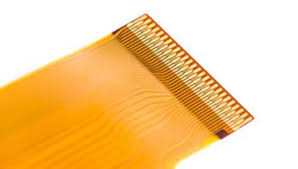
How does flexible PCB fabrication affect circuit performance?
Thermal performance is another critical factor impacted by flexible pcb fabrication. Traditional rigid boards usually have layers of metal, such as aluminum, to help dissipate heat away from critical components. In flexible PCBs, heat dissipation can be more challenging due to the thin and lightweight nature of the materials used. Nonetheless, flexible PCBs are often designed with strategic placement of thermal vias, heat sinks, or thermal interface materials to enhance heat management.
The thermal properties of the substrate material in flexible PCBs also affect circuit performance. For example, polyimide has a high-temperature tolerance, making it suitable for applications that involve extreme thermal cycling. By choosing appropriate materials and optimizing the design layout, flexible PCB fabrication can achieve adequate thermal management, ensuring stable performance even in demanding environments.
Flexible PCBs allow for three-dimensional circuit layouts, enabling more efficient use of space and potentially shorter electrical paths. This can improve electrical performance by reducing the distance that signals need to travel, thereby minimizing signal delay and resistance. The flexibility in design also allows for components to be placed more strategically, which can improve overall circuit functionality.
One of the standout features of flexible PCBs is their ability to conform to various shapes and withstand mechanical stresses that rigid boards cannot endure. This flexibility allows for compact and lightweight designs, especially in portable electronics, medical devices, and wearable technology. Mechanical reliability is closely tied to how the PCB is fabricated. Factors such as the number of bend cycles, bend radius, and copper thickness must be carefully considered to avoid mechanical failure.
During fabrication, the use of adhesive-backed substrates and protective overlays can improve the durability of the flexible PCB by providing an additional layer of protection for the conductive traces. Advanced fabrication techniques, such as roll-to-roll processing, can also enhance the mechanical resilience of flexible circuits by minimizing stress on the materials during production.



Leave a Comment