
What are common failures in a circuit board?
common failures in a circuit board
Circuit boards are fundamental components in modern electronic devices, serving as the backbone for connecting various components and enabling functionality. However, like any technology, circuit boards can experience failures that compromise device performance and reliability. Understanding common failures in circuit boards is essential for engineers and designers to develop more robust designs and implement effective troubleshooting techniques.
One of the most prevalent issues in circuit boards is solder joint failure. Solder joints connect electronic components to the board, and if these joints become weak or break, it can lead to intermittent connections or complete circuit failure. Factors contributing to solder joint failures include thermal cycling, mechanical stress, and improper soldering techniques. For instance, frequent temperature fluctuations can cause expansion and contraction of materials, leading to cracks in the solder. Additionally, poor soldering practices, such as insufficient heat or the use of low-quality solder, can compromise the integrity of the joints.
Traces are the conductive pathways on a circuit board that connect different components. Damage to these traces can occur due to mechanical stress, manufacturing defects, or environmental factors. For instance, bending or flexing a circuit board can cause traces to break or separate from the substrate. Additionally, corrosion due to exposure to moisture or chemicals can degrade trace conductivity over time. When traces are damaged, the electrical signals may not reach their intended destinations, leading to malfunctioning devices. Repairing damaged traces can be challenging, often requiring specialized techniques or even a complete redesign of the board.
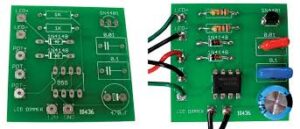
What are common failures in a circuit board?
Thermal failures occur when electronic components overheat, leading to reduced performance or total failure. Excessive heat can arise from high current loads, insufficient heat dissipation, or poor thermal management design. Components such as voltage regulators and power transistors are particularly susceptible to thermal failures. To mitigate this risk, designers should implement proper thermal management strategies, such as the use of heat sinks, thermal vias, and adequate spacing between heat-generating components. Regular thermal testing during the design phase can also help identify potential hotspots before they become critical issues.
Individual electronic components on a circuit board, such as capacitors, resistors, and integrated circuits, can also fail due to various reasons. Common causes include manufacturing defects, age, and environmental stressors. For instance, electrolytic capacitors can dry out over time, leading to failure and potentially damaging other components on the board. Additionally, components exposed to extreme temperatures, humidity, or electrical surges may degrade more rapidly. Identifying failed components often requires testing and diagnostic tools to isolate the faulty parts.
Electromagnetic interference (EMI) can disrupt the normal operation of a circuit board by introducing unwanted noise into the electrical signals. EMI can stem from external sources, such as nearby electronic devices, or from within the circuit board itself. Poor grounding and inadequate shielding can exacerbate EMI issues, leading to degraded signal quality and operational failures. To minimize the impact of EMI, designers should implement proper grounding techniques, use shielded components, and carefully plan the layout to reduce the loop areas in signal traces.
Exposure to moisture and contaminants can lead to corrosion, short circuits, and other failures in circuit boards. Moisture can infiltrate the board through manufacturing defects, environmental exposure, or improper sealing. Contaminants such as dust, dirt, and chemicals can also degrade connections and insulation, leading to failures. To combat these issues, manufacturers often apply conformal coatings or potting compounds to protect circuit boards from moisture and contaminants, especially in harsh environments.


Leave a Comment