
What is the Lifespan of a Rigid-Flex Printed Circuit Board?
Lifespan of a Rigid-Flex Printed Circuit Board
Rigid-flex printed circuit boards offer an innovative solution for complex, rugged applications. Combining rigid and flexible parts on a single board, these hybrid designs save space and weight while improving reliability. While rigid-flex PCBs can meet the requirements of harsh environments, they require a high level of quality and expertise to ensure their long-term success. Low-quality or subpar rigid-flex PCBs can cause a variety of problems including failure, performance issues and durability concerns.
How long a rigid-flex PCB lasts depends on several factors, including its design, fabrication and testing. The longevity of a rigid-flex circuit board is directly related to its durability and stability. In order to maximize the lifespan of a rigid-flex circuit board, designers must carefully consider the intended environmental conditions and size restrictions. They should also employ a proper stackup design that manages power, signal integrity and mechanical properties to ensure optimal performance.
The selection of appropriate materials is another critical factor in ensuring the longevity of a rigid-flex circuit board. Copper is the most commonly used conductor material in rigid-flex printed circuit board, and it can be electro-deposited or rolled depending on the application. To maximize the lifespan of a rigid-flex PCB, it is necessary to choose the right copper foil and use effective surface treatments to reduce bond degradation, enhance adhesion, increase corrosion resistance and augment thermal performance. It is also important to consider the appropriate bend radius for flex areas to avoid mechanical stress and failure.
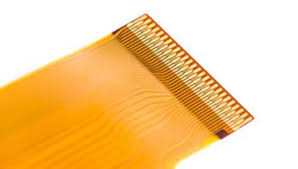
What is the Lifespan of a Rigid-Flex Printed Circuit Board?
In addition, the placement of connectors and soldered connections must be carefully considered to minimize stress. A poor connector placement can create weak spots in the PCB, causing copper fatigue and other electrical problems. It is also important to avoid sharp corners in flex areas, as these can lead to stress concentration and possible failure points. In addition, it is a good idea to use rounded corners to minimize stress.
The design and manufacturing process of rigid-flex PCBs involves a high level of precision and expertise. Engineers need to carefully plan the layout to ensure that the flexible portions can withstand repeated bending without compromising their performance or causing damage to the conductive traces. Specialized materials like polyimide are often used for the flexible layers due to their excellent thermal stability and mechanical properties. Additionally, the rigid sections are typically made from traditional PCB materials such as FR-4. The lamination process bonds these layers together, creating a robust and unified circuit board.
The final factor that determines the lifespan of a rigid-flex circuit is its ability to handle shock and vibration. A high level of durability is necessary for many rigid-flex applications, such as aerospace equipment and medical devices. Choosing rigid-flex PCBs for these applications is an excellent choice because they can withstand severe conditions such as extreme temperatures, vibrations and shocks. In the military sector, rigid-flex PCBs are often employed in navigation systems and weapon systems to withstand harsh conditions.



Leave a Comment